

I used to spend my mornings doing the same five tasks before I’d even touched real work. Copy a lead from a form into a spreadsheet. Draft a reply. Tag the email. Update a tracker. Send a follow-up. By the time I finished, half my energy was gone — and none of it actually moved my business forward.
Then I started letting Zapier and AI do it for me. Within a few weeks, I’d quietly clawed back close to 20 hours every single week. Not by working faster, but by not doing the busywork at all.
If you run a side hustle, a content site, an agency, or any kind of online business, this guide will show you exactly how to use Zapier AI to save time and automate the tasks that drain your day. No code. No huge budget. Just smart systems doing the boring stuff while you focus on what matters.
What “Zapier + AI” Actually Means
Let me clear up the confusion first, because the terms get thrown around a lot.
Zapier is a tool that connects your apps. When something happens in one app (a “trigger”), Zapier makes something happen in another app (an “action”). Think of it as the wiring between your tools — Gmail, Google Sheets, Slack, Notion, your CRM, and thousands more.
AI is the brain you can now drop into that wiring. Instead of just moving data from A to B, Zapier can pause mid-workflow and ask an AI model to think — write a reply, summarize a document, categorize a message, or pull out key details.
Put them together and you get something powerful: workflows that don’t just shuffle information around, they actually make decisions and create content on their own.
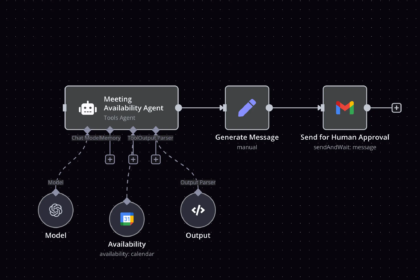
A simple example: a customer fills out your contact form → Zapier sends the message to AI → AI writes a personalized first-draft reply → the draft lands in your inbox ready to review. You went from “type everything yourself” to “read and hit send.”
Why This Combo Saves So Much Time
Most of the work we hate isn’t hard. It’s just repetitive and constant. That’s exactly what automation eats for breakfast.
Here’s where the hours actually disappear in a typical week:
- Inbox triage — sorting, tagging, and replying to routine emails
- Data entry — copying info between forms, sheets, and tools
- Content drafting — captions, replies, summaries, descriptions
- Reporting — pulling numbers into the same weekly update
- Follow-ups — chasing leads, clients, or unpaid invoices
None of these need you specifically. They need a system that’s consistent and never forgets. When I added AI to my Zaps, the time savings jumped because AI handled the “thinking” parts I used to believe only a human could do — like writing a reply that actually sounds personal.
The result isn’t just saved time. It’s saved attention. You stop context-switching twenty times a day, and the deep work gets noticeably easier.
The Tasks Worth Automating First
Don’t try to automate everything at once — that’s how people burn out before they see results. Start with tasks that are frequent, repetitive, and rule-based.
Ask yourself three quick questions about any task:
- Do I do this more than a few times a week?
- Does it follow roughly the same steps each time?
- Would I be fine reviewing the result instead of creating it from scratch?
If you answered yes to all three, it’s an automation candidate. My personal first wins were email drafting, lead logging, and turning long client messages into short action items. Each one was small, but together they added up fast.
Step-by-Step: Build Your First AI-Powered Zap
Let me walk you through building a real workflow — one that drafts personalized email replies automatically. This is the exact type of Zap that saved me the most time, and you can copy it in about 15 minutes.
Step 1: Create a Zapier account and pick your trigger
Sign up at Zapier (the free plan is enough to start). Click Create Zap, then choose your trigger app. For this workflow, select Gmail and the trigger event New Email Matching Search — for example, emails labeled “leads” or sent to a specific address.
Connect your account and test it so Zapier can pull in a sample email.
Step 2: Add the AI step
Click the + to add an action, then search for AI by Zapier (or the OpenAI/ChatGPT integration if you prefer). Choose an action like Conversation or Send Prompt.
This is the brain of your workflow. You’ll feed it the email content and tell it what to do.
Step 3: Write a clear prompt
The prompt is everything. A vague prompt gives you a vague reply. Here’s a template that works well:
“You’re my friendly, professional email assistant. Read the email below and write a warm, concise reply (under 120 words). Answer their question, keep my tone casual but respectful, and end with a clear next step. Do not make up details I haven’t provided. Email: {{email body}}”
Map {{email body}} to the actual email field Zapier pulled in during Step 1. The clearer and more specific your instructions, the better the output — treat it like briefing a new assistant.
Step 4: Send the draft somewhere you’ll see it
Add a final action. The safest option early on is Gmail → Create Draft. This puts the AI’s reply in your drafts folder so you can review and tweak before sending. Nothing goes out without your eyes on it.
Map the AI’s response into the draft body, set the recipient, and add a subject line.
Step 5: Test, then turn it on
Run a full test with a sample email. Read the draft critically — is the tone right? Is anything inaccurate? Adjust the prompt until you’re happy.
Once it feels reliable, flip the Zap on. Now every matching email gets a ready-to-review reply waiting for you, automatically.
Step 6: Add a “human check” rule (optional but smart)
For sensitive emails, add a filter so the Zap only runs for routine messages and skips anything that looks high-stakes (refunds, complaints, legal terms). You can do this with Zapier’s built-in Filter step. This keeps automation helpful without letting it touch the conversations that truly need you.
Real Workflows I Use Every Week
Once you’ve got one Zap running, the ideas snowball. Here are the workflows pulling the most weight in my own setup:
Lead capture → instant logging and reply. A new form submission triggers Zapier to log the lead in a Google Sheet and fire an AI-drafted welcome email. What used to take me five minutes per lead now takes zero.
Long messages → bite-sized action items. When a client sends a wall of text, AI summarizes it into a short bullet list of “what they’re asking for” and drops it into my task manager. No more re-reading three-paragraph emails.
Content repurposing. I paste a blog draft into a Zap, and AI spins out social captions in different formats — one for LinkedIn, one for X, one for an email teaser. A 30-minute job becomes a 30-second one.
Weekly reporting. Every Friday, Zapier gathers my key numbers and asks AI to write a plain-English summary of how the week went. I open Slack and the report is already there.
Common Mistakes to Avoid
I made plenty of these so you don’t have to.
Automating a broken process. If your manual process is messy, automating it just makes the mess faster. Clean up the steps first, then automate.
Trusting AI blindly. AI drafts are a starting point, not a final answer. Keep a human review step for anything that goes to a real person — at least until you’ve seen the workflow perform consistently.
Vague prompts. “Write a reply” gets you generic fluff. Tell the AI its role, the tone, the length, and what not to do. Specific prompts are the difference between usable and useless.
Over-automating too soon. Start with one or two Zaps. Master them. Then expand. Building ten workflows in a weekend usually ends with ten half-working messes.
Ignoring costs at scale. Free plans are generous for getting started, but heavy AI usage and high task volumes can add up. Watch your task count and AI calls as you grow so there are no billing surprises.
How to Realistically Hit 20 Hours Saved
Twenty hours sounds dramatic, but it’s just math. Most of us lose time in small, invisible chunks.
Map your week honestly. Track every repetitive task for five days and note how long each takes. When I did this, I found I was spending nearly four hours a week just on email replies and lead logging. Another few hours went to summarizing messages and drafting social posts.
Automate the top five time-sinks and the hours stack up quickly. You don’t need one giant automation — you need a handful of small ones working quietly in the background, every day, without complaint.
The goal isn’t to remove yourself from your business. It’s to remove yourself from the parts of your business that don’t need a human at all.
Frequently Asked Questions
Do I need to know how to code to use Zapier and AI? No. Zapier is built specifically for non-coders. You connect apps through dropdown menus and simple prompts. If you can fill out an online form, you can build a Zap.
Is the free Zapier plan enough to start? Yes, for learning and running a few basic workflows. The free tier includes a limited number of tasks per month and supports multi-step Zaps. As your automations grow, you may need a paid plan for higher volume and faster checks.
Is it safe to let AI reply to my emails automatically? It’s safest to have AI draft replies rather than send them on its own — at least at first. Use a “create draft” step so you review everything before it goes out. Add filters to skip sensitive messages, and you keep full control.
Will automation make my messages feel robotic? Only if your prompts are lazy. When you give AI clear instructions about your tone and personality, the output can feel surprisingly natural. The review step lets you add a personal touch where it counts.
What apps work best with Zapier and AI? The most common starting points are Gmail, Google Sheets, Slack, Notion, and form tools like Typeform. Zapier connects with thousands of apps, so chances are your existing tools are already supported.
How long before I actually save time? Building your first workflow takes 15–30 minutes. After that, it works forever. Most people feel the difference within the first week, and the savings compound as you add more Zaps.
Can this work for a solo creator, not just big teams? Absolutely — solo creators often benefit the most. When you’re a one-person operation, every hour you reclaim goes straight back into growth. For a deeper look at how these tools fit together.
Your Next Move
Here’s the truth: the people getting ahead online right now aren’t necessarily working harder. They’ve just stopped doing work a system can do for them.
Pick one task you do every day that drains you. Build a single Zap around it this week — even a clumsy first version. Let it run, watch the time come back, and then build the next one. That’s how 20 hours a week stops being a headline and starts being your actual schedule.
The busywork isn’t going anywhere on its own. So hand it to Zapier and AI, and go spend your hours on the work that actually grows what you’re building.