What Every User, Entrepreneur, Creator, and Business Owner Needs to Understand About AI
Artificial intelligence is changing the world fast. It is one of the important technologies in the world today. In a few years artificial intelligence systems have changed the way people work communicate, create things build businesses look at information and make decisions. What used to seem like science fiction is now a part of our daily lives. Students use intelligence to learn faster business owners use it to automate their work marketers can make campaigns in just a few minutes developers can code faster and creators can make a lot of content really quickly.
The speed of this change is really amazing.
In 2026 advanced artificial intelligence systems like OpenAI ChatGPT, Anthropic Claude, Google Gemini and xAI Grok can do things that used to require trained professionals. Artificial intelligence can write articles look at documents make software code create videos make voices sound real have conversations summarize complex research and even help with scientific discoveries.
For people artificial intelligence seems like magic.
Beneath all the excitement, productivity and opportunities there is another reality that people often ignore or do not understand. Artificial intelligence is not perfect. It has serious risks, limitations and ethical concerns that every user should know about.
After using intelligence for many years for business, automation, research, finance and content creation I have seen the good and bad sides of this technology. Artificial intelligence can make things more efficient. Create amazing opportunities but it can also make big mistakes, spread misinformation create dependence and have privacy risks when used carelessly.
One of the problems is that people often think artificial intelligence outputs are correct just because they sound smart. Modern artificial intelligence systems can talk with a lot of confidence, which makes people think they are always right even when the information is wrong. This is called intelligence hallucination and it is one of the most important limitations of artificial intelligence in 2026.
Even the advanced models can sometimes make up facts create fake statistics make up sources or give explanations that sound good but are completely false. The danger is not just that mistakes happen. That the mistakes can seem real enough to fool people who do not check the information.
I have seen artificial intelligence make up research studies give wrong medical explanations create fake quotes and give misleading financial data. Sometimes the mistakes are not too bad. Other times they can be really dangerous. Businesses have published articles with information made by artificial intelligence. People have made financial decisions based on wrong artificial intelligence analysis. Some organizations have even had reputation problems because they relied too much on unverified artificial intelligence outputs.
This is why one of the important rules for using artificial intelligence is to never trust important information without checking it first. Artificial intelligence should help people think, not replace their thinking
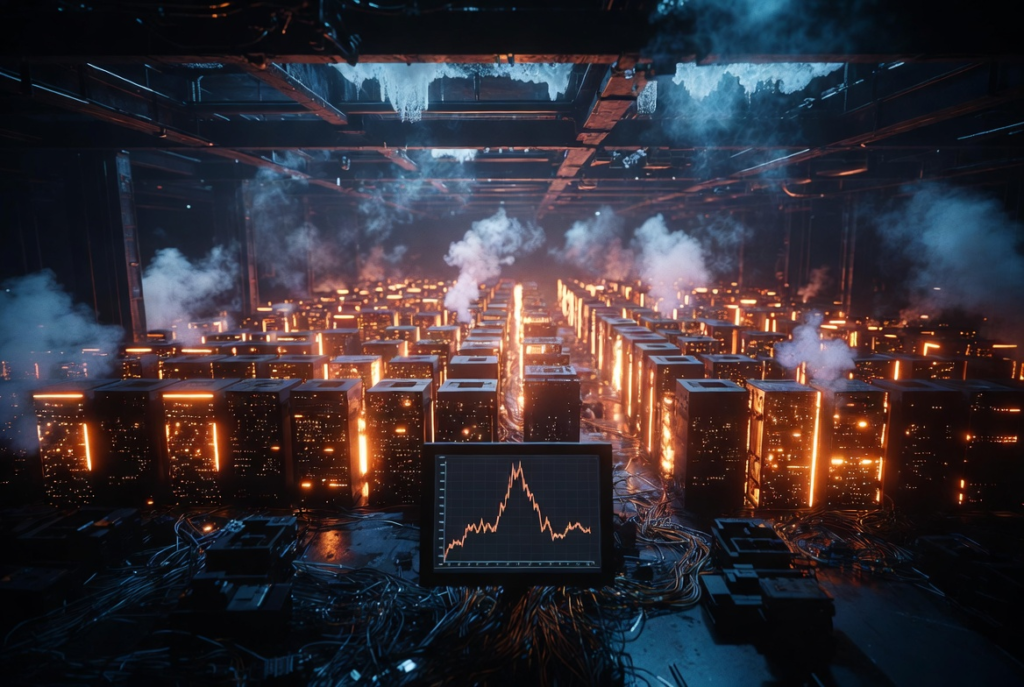
Another big issue that people do not talk about enough is the environmental cost of artificial intelligence. Most users just see the chat interfaces and do not see the big infrastructure behind the scenes. Training and running artificial intelligence systems requires huge data centers with powerful hardware that uses a lot of electricity and water.
As more people use intelligence concerns about energy consumption are growing fast. By the end of 2026 some experts think that artificial intelligence infrastructure might use much electricity as small countries. The environmental impact goes beyond just using electricity. Cooling systems for intelligence servers need a lot of water and making hardware creates more environmental pressure through mining, manufacturing and electronic waste.
This creates a contradiction. Many companies that promote sustainability and climate awareness are also building intelligence systems that use a lot of energy. While artificial intelligence might help optimize energy use in areas its own environmental footprint is getting harder to ignore.
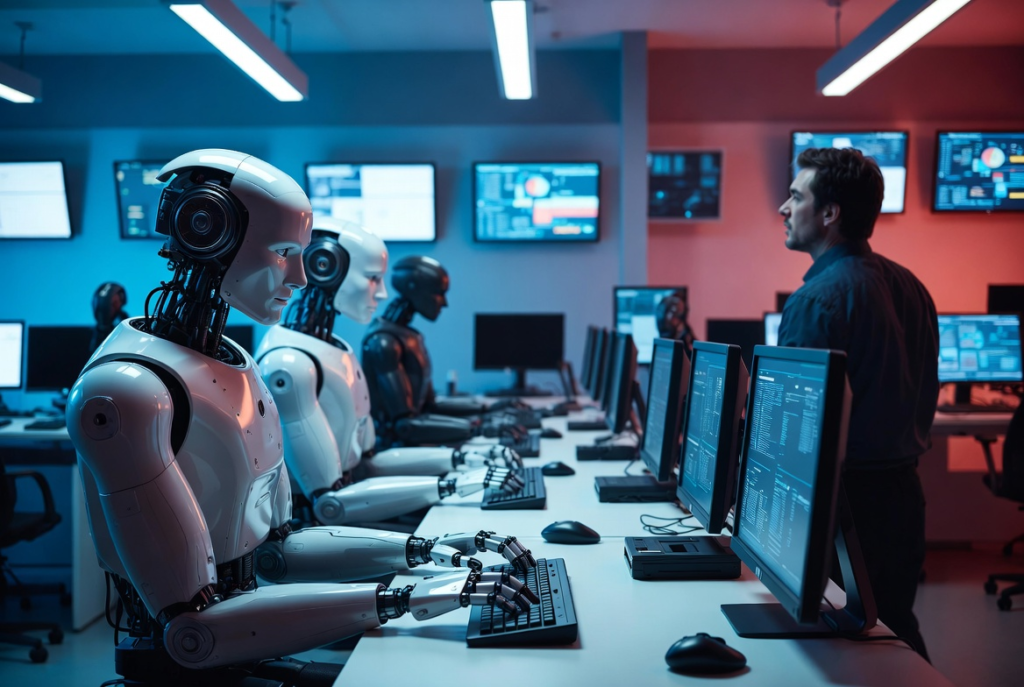
At the time artificial intelligence is changing the job market faster than many experts thought. Automation has always affected employment. The pace of artificial intelligence disruption feels really fast because it affects both manual and intellectual work.
For a time people thought that creative and analytical jobs would be safe from automation.. Now artificial intelligence is doing tasks in writing, graphic design, customer support, programming, research, marketing, translation, administration and even parts of legal and financial analysis. Whole industries are starting to change around teams that use artificial intelligence systems.
This does not mean that humans will become obsolete. It does mean that many jobs are changing dramatically. Some jobs will disappear, while others will evolve into jobs that use intelligence. New opportunities will come,. It can be hard for workers to adjust to changing industries.
The people who will do well in this environment are those who learn to work with artificial intelligence instead of competing against it. Being able to adapt, being creative having intelligence, strategic thinking and being able to manage artificial intelligence systems are becoming really valuable skills.
Another serious challenge in 2026 is the rise of deepfakes and synthetic misinformation. Artificial intelligence can make images, voices, videos and articles that’re so real that it is hard for people to tell what is real and what is fake.
This has implications for society.
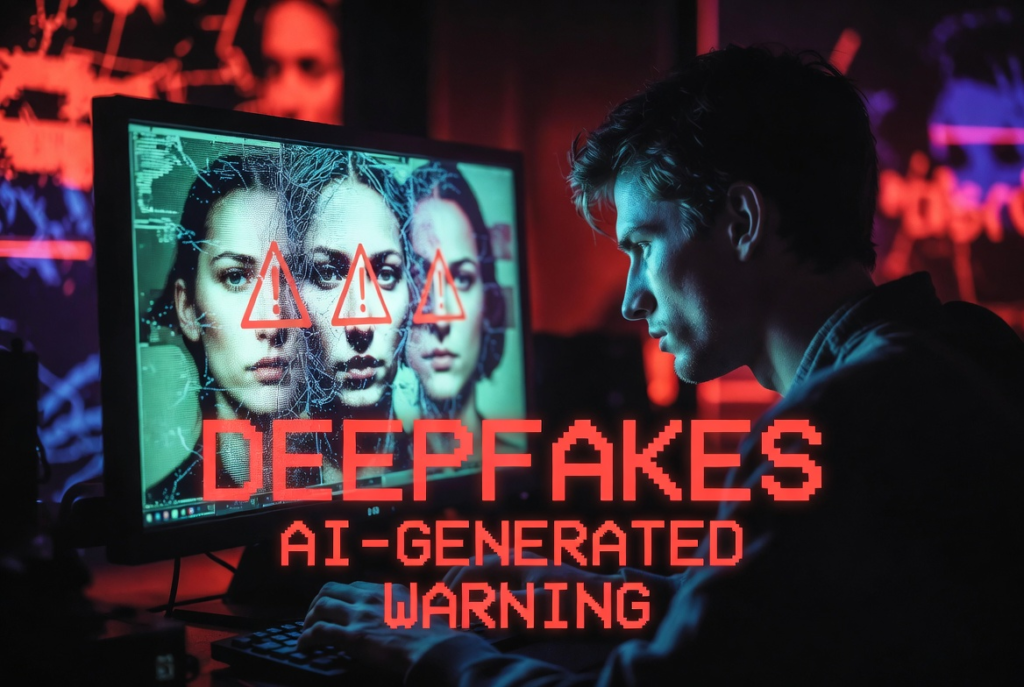
Deepfake videos can imitate figures really well. Artificial intelligence-generated audio can replicate voices convincingly enough to deceive listeners. Fake news articles made by intelligence can spread misinformation quickly across social media. In politics, business and personal relationships the loss of trust in media is becoming a big problem.
The psychological impact of this change might be more significant than the technological aspect. As people lose confidence in what they see and hear online trust in information systems weakens. This creates confusion, polarization and vulnerability to manipulation.
Privacy and data security are another concern. Most users do not realize how sensitive information they share with artificial intelligence systems. Every time you enter something into an intelligence platform it might be stored, analyzed or used to improve the model.
People often upload business plans, financial information, legal documents, customer data, personal conversations, medical information and confidential strategies without understanding where that data goes or how it might be used.
This creates risks for businesses, professionals and individuals who handle sensitive information. Companies need to be careful about what data they share with intelligence systems. Privacy policies, data handling practices and security protections are becoming really important when choosing intelligence tools.
For work many organizations are now using private artificial intelligence deployments, self-hosted models or enterprise-grade systems with stronger confidentiality guarantees.
Maybe one of the subtle risks of artificial intelligence is over-reliance. As artificial intelligence gets better people might rely much on machines. Writing, brainstorming, research, planning, analysis, communication and even decision-making can be partially automated.
While this increases efficiency it also creates a danger: the weakening of human critical thinking and creativity.
I have noticed this effect after using intelligence for a long time. When artificial intelligence constantly generates ideas, structures content summarizes information and solves problems it can be easy to stop using your cognitive abilities as much. The convenience is addictive.
This is why it is really important to maintain a balance between artificial intelligence assistance and independent thought. Artificial intelligence should help humans think better not replace their thinking.
Bias and lack of understanding are fundamental limitations of current artificial intelligence systems. Despite sounding artificial intelligence models do not truly understand reality like humans do. They predict patterns based on data than having genuine comprehension, consciousness, morality or lived experience.
Because these systems are trained on human-generated data they inherit biases, cultural assumptions, stereotypes and historical inequalities. Bias can appear in ways across hiring systems, financial evaluations, legal recommendations, content moderation, healthcare guidance and many other applications.
This becomes particularly dangerous when organizations treat intelligence outputs as objective or neutral without recognizing the limitations. Human oversight, ethical review and diverse perspectives are essential when applying intelligence in sensitive areas that affect peoples lives.
Despite all these risks artificial intelligence is not inherently good or bad. Artificial intelligence is a tool that reflects both the strengths and weaknesses of knowledge, systems, incentives and behavior.
The challenge facing society in 2026 is not whether artificial intelligence should exist. That question has already been answered. Artificial intelligence is here to stay. Its influence will continue to grow rapidly. The real challenge is learning how to use this technology ethically and responsibly while minimizing its harmful consequences.
For individuals this means developing thinking skills alongside artificial intelligence literacy. It means verifying information protecting sensitive data understanding the limitations of automation and avoiding blind dependence on machine-generated outputs.
For businesses it means implementing intelligence thoughtfully rather than recklessly. Responsible companies understand that human oversight, transparency, security and ethics matter as much as efficiency and profitability.
For society as a whole the coming years will likely involve conversations about regulation, education, labor markets, digital trust, privacy rights and the long-term relationship between human intelligence and artificial systems.
What makes this moment so significant is that humanity is still, in the stages of this transformation. The decisions made now. By individuals, companies, governments and developers. Will shape how artificial intelligence influences civilization for decades to come.
Artificial intelligence has the potential to become one of the productivity tools ever created. It can accelerate discovery democratize knowledge improve healthcare enhance education and create new economic opportunities.
Without people being aware and taking responsibility the same technology can also make false information spread make inequality worse hurt peoples privacy and take away human freedom.
The future of Artificial Intelligence will not be decided by the computer programs.
It will be decided by how people choose to use Artificial Intelligence.